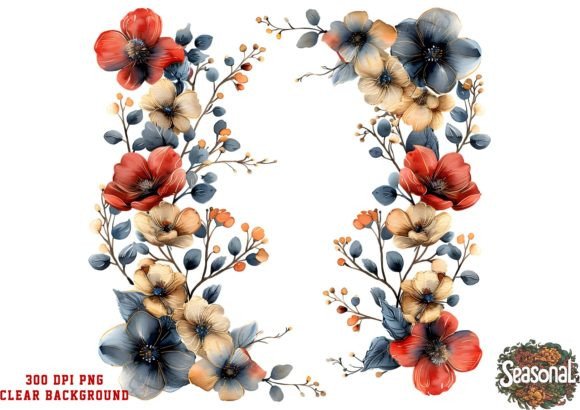
Timeless Romance: The Allure of Vintage Wedding Bouquets
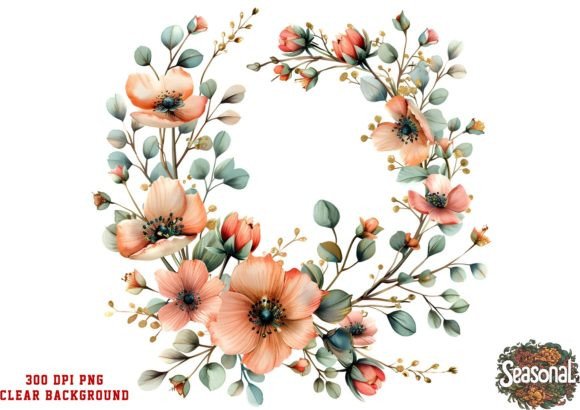
There’s something undeniably magical about a vintage wedding flower bouquet. It’s more than just a collection of blooms—it’s a story, a mood, and a nod to timeless elegance. Whether you’re a designer crafting a brand for a bridal boutique, a small business owner creating stationery, or a content creator looking for that perfect spring aesthetic, the right floral elements can transform your work. This season, we’re embracing the spirit of wildflowers and garden gatherings with a delightful collection that feels both fresh and nostalgic.
More Than Just Flowers: Capturing a Feeling
What makes a vintage-inspired bouquet so visually appealing? It’s the soft, muted palettes, the loose and organic arrangements, and the blend of textures that feel picked from a countryside garden. Think delicate roses, ranunculus, sweet peas, and trailing greenery, all gathered with a sense of effortless charm. This aesthetic isn’t about perfection; it’s about warmth, romance, and a touch of whimsy. For your projects, this translates into an immediate emotional connection. A vintage floral design can evoke feelings of nostalgia, romance, and celebration, making it incredibly versatile for a wide range of creative applications.
Practical Applications for Your Creative Projects
The true value of a beautiful design asset like this lies in its adaptability. Let’s explore how you can weave this floral charm into your work, moving beyond the obvious to truly elevate your brand or project.
- Branding & Logo Design: For businesses in the wedding, lifestyle, or artisanal space, incorporating a vintage floral element can instantly communicate your brand’s personality. It adds a layer of sophistication and care to your visual identity, perfect for stationery shops, wedding planners, or boutique bakeries.
- Packaging & Product Presentation: Imagine your product wrapped in a pattern featuring these delicate florals. It turns packaging into an experience, enhancing perceived value and creating a memorable unboxing moment for customers.
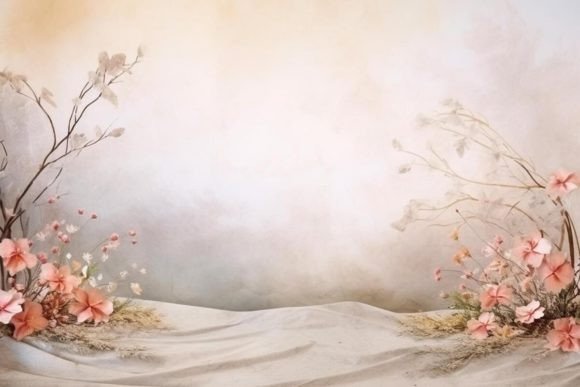
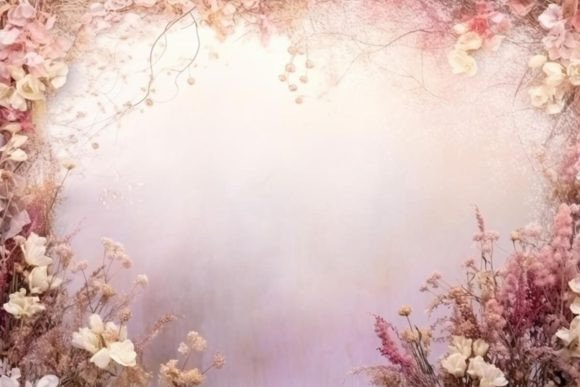
- Social Media & Digital Presence: In a crowded feed, a beautiful floral background makes your content stand out. Use it as a backdrop for flat lays, quote graphics, or story templates. It’s perfect for creating a cohesive and inviting Instagram grid or Pinterest profile that attracts your ideal audience.
- Print & Editorial Design: From wedding invitations and save-the-dates to menu cards and thank-you notes, these florals add a professional and personal touch. They also work beautifully in editorial layouts, like magazine features or blog headers, to set a specific tone.
- Merchandise & Marketing Assets: Apply these designs to tote bags, mugs, or print-on-demand products. For marketing, use them on flyers, posters, or email headers to promote seasonal sales or events with a touch of elegance.
Integrating Florals for Maximum Impact
Using such a specific design style effectively requires a bit of strategy. The goal is to enhance, not overwhelm, your core message. Start by considering the context. A busy floral pattern might work wonders as a full-page background for a wedding program, but for a website banner with text, you might use a more subtle section of the design or pair it with a solid color pulled from the bouquet’s palette.
Color harmony is key. The soft pinks, creams, greens, and lavenders typical of vintage bouquets are naturally pleasing and easy to integrate. Pull one of these hues for your text or accent elements to create a seamless look. This approach ensures visual consistency across all your materials, strengthening your brand recognition. Whether you’re using a serif font for classic elegance or a handwritten font for a personal touch, the floral backdrop will complement rather than clash.
Working with Your Design Asset: A Practical Guide
Receiving a high-quality PNG file at 300 DPI is a fantastic starting point. This resolution ensures your designs will look crisp and professional, whether printed on a large poster or viewed on a high-resolution screen. The PNG format’s transparent background offers immense flexibility, allowing you to layer the bouquet over other elements, photos, or colored backgrounds without a cumbersome white box around it.
Compatibility is another major plus. You can seamlessly use this asset in popular software like Adobe Photoshop, Affinity Designer, Canva, and even PowerPoint. This makes it accessible for professional designers and hobbyists alike. Before you dive in, take a moment to explore the file. Zoom in to appreciate the details. Consider how different sections of the bouquet might be used independently—perhaps just a cluster of flowers for a small icon or a single bloom for a watermark.
Making It Your Own: Tips for Seamless Integration
To get the most out of your floral design, think like a stylist. Here are a few actionable tips:
- Layer with Intention: Don’t just place it on top. Use blending modes in your software (like Multiply or Soft Light) to make the florals interact with the underlying layers, creating a more integrated and realistic effect.
- Create Cohesive Patterns: If you have a larger project, like a full stationery suite, consider using the bouquet as a central element and pulling individual flowers or leaves to create smaller, supporting patterns for borders or accents.
- Balance with Typography: Pair the organic, flowing lines of the florals with clean, legible typography. A simple sans-serif font for body text or a elegant script font for headings can create a beautiful contrast that keeps your design polished and readable.
- Consider the Commercial License: Always double-check the licensing terms of any design asset you use, especially for commercial projects like client work, merchandise, or marketing materials. Ensure your use is fully compliant to avoid any issues down the line.
Ultimately, a vintage wedding flower bouquet is more than just a pretty picture; it’s a versatile design tool. It allows you to inject a sense of warmth, history, and celebration into your work, helping you connect with an audience that appreciates beauty and attention to detail. By thoughtfully integrating these elements, you can create designs that are not only visually stunning but also strategically aligned with your project’s goals, leaving a lasting and professional impression.