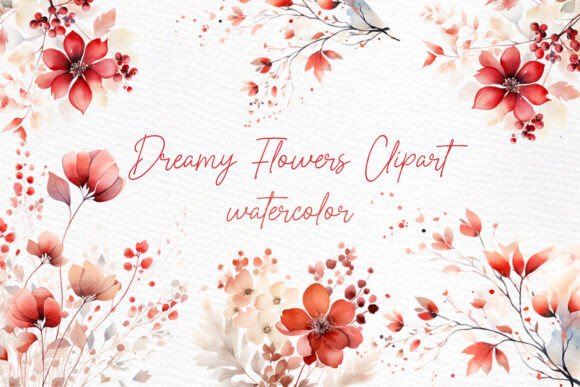
Timeless Beauty: Incorporating Vintage Wedding Art Into Modern Designs
There’s a reason why photographs from the 1920s or handwritten letters from the Victorian era continue to captivate us. They carry a weight, a texture, and a sense of permanence that modern digital graphics often struggle to replicate. For designers, brand strategists, and small business owners, capturing this feeling—the "Vintage Wedding Art Vintage Elegance"—isn't just about looking old; it is about communicating value, authenticity, and sophistication. When you open the asset folder for this particular set, you aren't just looking at a random collection of pixels; you are accessing a curated visual language. The package typically includes high-resolution JPG files, but the true value lies in the composition: intricate flourishes, distressed textures, and romantic motifs that serve as the backbone for high-end visual communication.
The Psychology of "Heritage" in Branding
Why do consumers gravitate toward vintage aesthetics? It is largely psychological. In a market saturated with sleek, minimalist sans-serif fonts and flat design, a touch of vintage elegance signals that a brand has "history," even if it was founded last Tuesday. When you utilize assets like the Vintage Wedding Art collection, you are tapping into the concept of "heritage branding."
Think about the packaging of artisanal goods—small-batch coffee, organic soaps, or boutique stationery. They rarely look like they were designed yesterday. They use textures and typography that suggest they have stood the test of time. By incorporating these vintage design elements, you aren't just decorating a product; you are building an immediate emotional bridge with your audience. It suggests that your product is crafted with care, much like the art that inspires it.
Practical Applications for the Modern Entrepreneur
While the file description might warn that titles are randomly generated, the visual content within a vintage art pack is incredibly versatile. The utility of these assets extends far beyond the wedding niche. Here is how you can deploy these design assets across various platforms to maximize their potential:
- Logo Design & Brand Identity: A single flourish from the vintage art set can be used to frame a wordmark, instantly elevating a generic logo into a bespoke emblem. This works exceptionally well for photographers, event planners, and lifestyle brands looking to establish a high-end persona.
- Packaging Design: For product-based businesses, these files can be used to create labels, hang-tags, or box art. The intricate details of vintage art add a tactile quality to printed materials, making the unboxing experience feel more premium.
- Social Media & Web Banners: In the fast-paced world of social media, stopping the scroll is essential. Using a background texture or a decorative border from a vintage collection can give your Instagram grid or website header a cohesive, curated look that stands out against the noise of generic stock photography.
- Digital Products & Merchandise: If you sell printables, planners, or POD (Print on Demand) merchandise, these assets are gold. A vintage floral arrangement can become the centerpiece of a tote bag design, a coffee mug, or a digital wedding invitation template.
Mastering the Pairing: Typography and Imagery
Having a beautiful vintage image is only half the battle; the other half is typography. The visual appeal of "Vintage Wedding Art" relies heavily on contrast and balance. If you pair an ornate, highly detailed vintage illustration with a bold, geometric sans-serif font, the clash can be jarring. Conversely, pairing it with a script font that is too swirly can result in a visual mess that is impossible to read.
The goal is readability. When using vintage assets for headers or hero images, consider using a clean serif font for body copy. This provides a modern anchor for the old-world imagery. For example, if you are designing a poster using a floral vintage border, try a serif font like Garamond or Baskerville for the details. This combination honors the elegance of the art while ensuring your message is communicated clearly to a modern audience.
Color Theory and Texture
Vintage art rarely pops in neon colors. To maintain the authenticity of the "Vintage Elegance" aesthetic, you need to be mindful of your color palette. Muted tones, sepia, dusty rose, sage green, and slate blue usually complement these assets best.
However, don't be afraid to experiment. A high-contrast approach—placing a black-and-white vintage illustration against a bright, solid color background—can create a "modern retro" feel that appeals to younger demographics (Gen Z and Millennials) who appreciate the aesthetic but want a fresh take. Always check the file format; since these are often JPGs, you may need to use blending modes in Photoshop or Illustrator to remove white backgrounds and integrate the art seamlessly into your designs.
Navigating Licensing and Usage
One of the most overlooked aspects of using design assets is the licensing. When you download a pack like this, you are usually paying for the right to use the art, not ownership of the art itself. It is crucial to understand the difference between personal and commercial use.
If you are a small business owner planning to use these assets on merchandise that you sell—such as wedding invitations or t-shirts—you must ensure the license permits commercial use. Most premium font and art marketplaces offer this, but it is your responsibility to check. Additionally, attribution (leaving a review or credit) is often appreciated by creators and helps support the ecosystem of designers producing these high-quality assets. As noted in the file description, supporting the creator through reviews helps them continue to produce the premium assets that designers rely on.
Elevating the User Experience
Ultimately, the goal of incorporating vintage elements is to evoke an emotion. Whether you are designing a wedding website, a menu for a bistro, or a lookbook for a fashion line, the "Vintage Wedding Art Vintage Elegance" style offers a shortcut to sophistication. It tells your audience that you care about the details.
Don't just slap the image onto a background. Crop it. Layer it. Use a small section of a larger floral piece as a watermark. Use the texture as a background for a quote graphic. Treat the asset as a raw material to be shaped, rather than a finished product to be displayed. When you master the integration of these vintage elements with modern design principles, you create a visual identity that feels both timeless and relevant.
For the content creator or marketer, this approach saves time while increasing perceived value. Instead of spending hours trying to draw a distressed border from scratch, you have a library of professional-grade art at your fingertips. This allows you to focus on what matters most: the message and the connection with your audience.