Designing with Grace: The Power of Elegant Illustration
There’s a certain kind of design that doesn’t just catch your eye—it holds your attention. It feels intentional, polished, and effortlessly refined. If you’ve ever tried to capture that feeling in a project, you know how difficult it can be. A single misaligned element or a clashing font can unravel the entire composition. This is where a thoughtfully crafted design asset becomes invaluable. The "Wedding Design Elegant Illustration" set offers a specific aesthetic that bridges the gap between classic sophistication and modern clarity, providing a versatile foundation for creators who need their work to communicate trust, beauty, and professionalism.
Understanding the Visual Language of Elegance
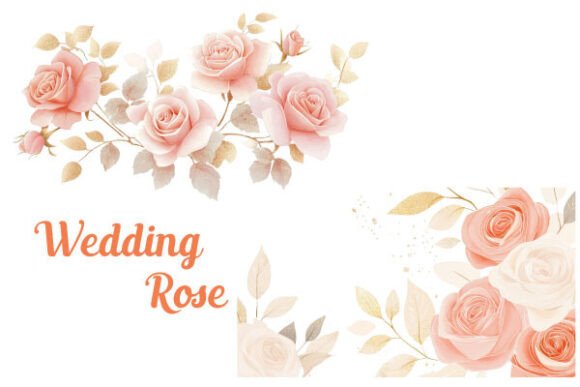
At its core, this design package is a curated visual toolkit. The included JPG file serves as a primary example of a cohesive style. Think of it as a master template for elegance. The illustration likely features balanced compositions, delicate line work, and a harmonious color palette that leans toward muted tones or classic neutrals. This isn't about loud, trendy graphics that fade quickly. Instead, it’s about creating a timeless visual signature. The strength of such an asset lies in its ability to evoke emotion—specifically, feelings of celebration, care, and premium quality—without saying a word. For a designer, this means you’re not starting from a blank canvas; you’re building upon a foundation that already has a strong, defined personality.
Practical Applications Across Creative Projects
The real value of a design element like this is measured by its utility. How does it translate into real-world projects that drive engagement or sales? Its applications are surprisingly broad, extending far beyond the wedding industry its name might suggest.
- Brand Identity & Logo Design: A business that values sophistication—think boutique hotels, artisan bakeries, high-end skincare brands, or wedding planners—can use elements from this illustration style to craft a logo and brand suite. The elegant lines can be adapted into monograms, borders, or supporting graphics that make a brand instantly recognizable and trustworthy.
- Packaging & Merchandise: Physical products need to stand out. The intricate details of an elegant illustration can transform simple packaging into a luxury experience. It’s perfect for product labels, box designs, shopping bags, or even patterns for merchandise like scarves or stationery.
- Digital Presence & Social Media: Consistency is key online. Using this style for website headers, blog post graphics, and social media templates (for Instagram, Pinterest, or Facebook) creates a unified look. It makes a feed feel curated and professional, which helps in building audience trust and engagement.
- Print & Editorial Layouts: For magazines, lookbooks, menus, or event programs, elegant illustrations serve as stunning decorative elements or section dividers. They add a layer of visual interest and break up text in a way that feels intentional and beautiful.
- Invitations & Marketing Assets: Beyond weddings, this style is ideal for gala invitations, charity event flyers, or high-end sale announcements. The design conveys the importance of the event, encouraging a better response rate.
Integrating Assets for Visual Consistency
One of the biggest challenges for small businesses and creators is maintaining a consistent visual identity across all touchpoints. Using a cohesive design asset like the "Wedding Design Elegant Illustration" helps solve this. When your website, social media graphics, and printed materials all share the same visual DNA, it strengthens brand recognition. A customer should be able to glance at your Instagram post or a product tag and immediately know it’s from you, even before reading the text. This consistency signals professionalism and reliability. It tells your audience that you pay attention to details, which often translates into a perception of higher quality in your products or services.
Making Smart Choices for Your Project
Having a beautiful asset is one thing; using it effectively is another. Here are some practical considerations to keep in mind.
First, consider font pairings carefully. An elegant illustration style often pairs best with clean, readable typography. A classic serif font can enhance the traditional feel, while a simple sans-serif font can provide a modern contrast that keeps the design from feeling dated. Avoid pairing it with overly decorative or chaotic fonts, as they will compete for attention and reduce readability.
Second, mind the context and medium. How will the design be used? For a website header, you might use a full illustration. For a business card, you might extract a single element, like a floral motif or a border detail. For social media, the illustration could serve as a background with ample negative space for text overlay. Always test how the design looks at different sizes and on different screens or paper types.
Third, understand the licensing. The note in the product description is crucial. It’s a reminder to focus on the actual product—the image file—rather than the randomly generated title. More importantly, for any commercial use, you must verify the license. Does it allow for unlimited prints? Can you use it on merchandise for sale? Clear licensing prevents legal headaches down the road and is a mark of a serious professional or business owner.
Finally, don’t be afraid to adapt. The JPG file is a starting point. A skilled designer can use it as inspiration, tracing elements to create custom vectors, or using color sampling to build an extended palette. The goal is to make the asset work for your specific vision, not to be constrained by it.
Building a Foundation for Professional Presentation
Ultimately, tools like this elegant illustration set are about elevating your work. They help bridge the gap between an amateur look and a professional presentation. When your visuals are polished and cohesive, your message is clearer and more impactful. It allows you to focus on what you do best—whether that’s crafting a product, writing content, or serving clients—while feeling confident that your visual communication is working just as hard. In a crowded marketplace, that level of thoughtful presentation can be the subtle detail that makes someone stop, look, and choose you.