The Art of Romance: Designing with Watercolor Florals
There is a distinct moment in wedding planning where the abstract concept of "the big day" starts to feel tangible, and that moment often arrives with the invitations. For designers, event planners, and DIY brides alike, the challenge lies in capturing the ephemeral beauty of a wedding day on a piece of paper or a digital screen. While digital graphics have their place, there is a timeless, organic quality to traditional art that pixels often struggle to replicate. This is precisely where the magic of hand-painted elements comes into play. By integrating authentic textures into your stationery suite, you bridge the gap between formal invitation etiquette and the raw, emotional beauty of nature.
Why Hand-Painted Elements Change the Game
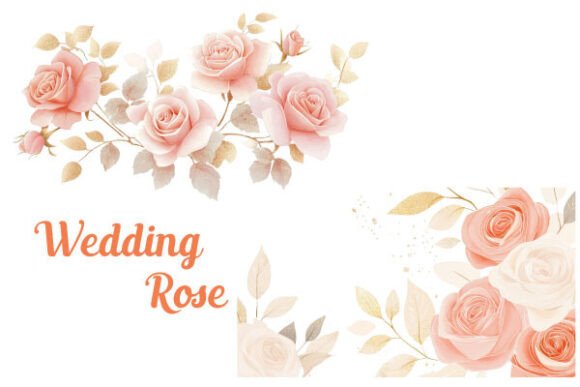
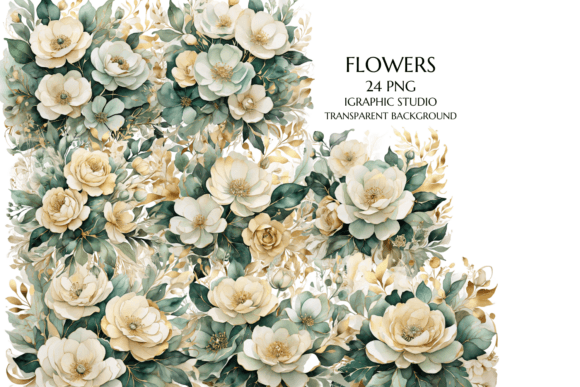
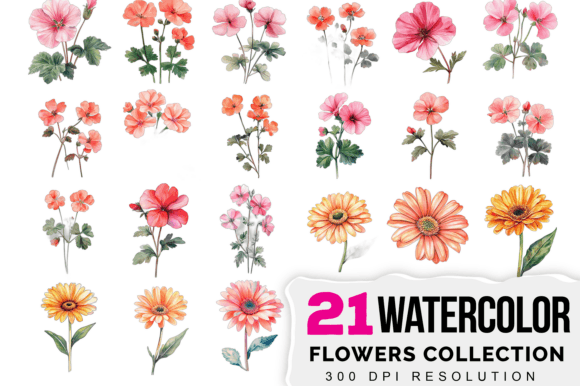
When we talk about design assets like Watercolor Flower Wedding Invitations, we are discussing more than just pretty pictures. We are talking about a specific aesthetic that communicates softness, romance, and elegance. Unlike vector graphics, which can sometimes feel sterile or overly geometric, watercolor textures possess an inherent "human" quality. The bleed of the pigment, the varying opacity of the brushstrokes, and the way colors blend into one another create a visual depth that is difficult to manufacture artificially.
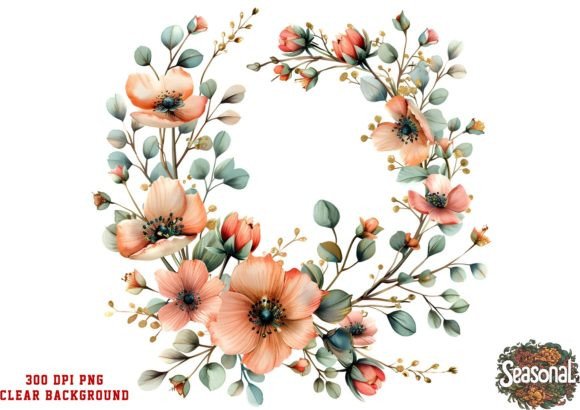
For the modern designer or small business owner, utilizing high-resolution PNG files with transparent backgrounds is a workflow necessity. It allows for complete creative freedom. You aren't restricted to a pre-set layout; instead, you are working with modular design assets. Imagine a client who wants a minimalist, modern layout but desires a touch of organic warmth. You can take a single watercolor peony, lower its opacity, and use it as a subtle background texture behind clean sans-serif typography. Conversely, you can cluster various botanical elements to create a lush, borderless frame for a vintage-style script font. This versatility is the hallmark of a premium design asset.
Beyond the Envelope: Versatile Applications
While the name suggests a specific use case, the utility of these botanical elements extends far beyond paper stationery. In the world of branding and visual communication, floral assets are incredibly potent tools. If you are a small business owner in the wellness, beauty, or lifestyle sector, these elements can define your entire visual identity.
Consider the versatility of high-quality watercolor florals across different media:
- Brand Identity: Use the floral elements to create a distinctive "brand pattern" that can be printed on the back of business cards or used as a background for letterheads. It adds a layer of sophistication that generic stock photos cannot match.
- Digital Products & Web Design: For bloggers and content creators, these graphics are perfect for creating cohesive social media templates. A repeating floral header can unify an Instagram feed or add a professional touch to a Pinterest pin. On websites, they serve as beautiful accents for "About Me" pages or dividers between sections of long-form content.
- Packaging Design: If you sell physical products—candles, soils, or artisanal goods—incorporating watercolor art into your label design elevates the perceived value of the product instantly. It suggests that the product inside is crafted with the same care as the art on the outside.
- Editorial & Print: Magazine layouts, menu designs, and event programs all benefit from the addition of organic textures. They help guide the reader's eye and break up the monotony of dense text blocks.
Mastering the Mix: Typography and Texture
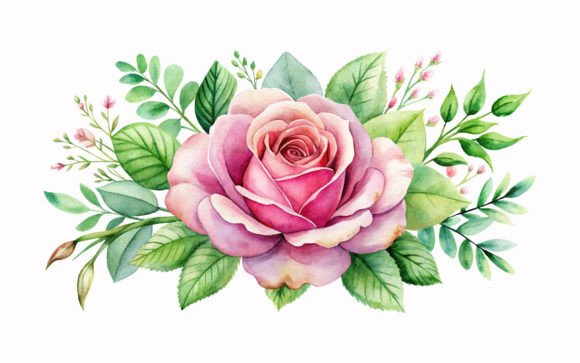
One of the most common pitfalls in using decorative assets is poor integration with typography. A beautiful watercolor rose can be rendered ineffective if paired with the wrong font. The goal is harmony, not competition.
When working with soft, romantic watercolor elements, your font choice is critical. Script fonts and handwritten fonts are natural partners here. They mimic the fluidity of the paint and reinforce the personal, hand-crafted vibe. However, readability is paramount, especially for body text. A highly ornate script might work for the couple's names (the header), but for the details regarding the venue and RSVP information, you should pair it with a clean serif font or a light sans serif font.
Here is a practical approach to font pairing for this specific style:
- The Contrast Strategy: Pair a bold, flowing script for headers with a geometric sans-serif for details. The contrast creates a visual hierarchy that is easy to read but retains the romantic feel.
- The Classic Strategy: Use a high-contrast serif font (like a Didot or Bodoni) with the florals. The sharpness of the serifs provides a beautiful structural counterpoint to the soft, blurry edges of the watercolor.
- The Layering Technique: Don't just place the text next to the flower. Experiment with "interacting" with the art. Perhaps a leaf from the floral cluster tucks behind a letter, or the text sits on top of a faded wash of color. This creates depth and makes the design feel cohesive rather than assembled.
Practical Considerations for Professionals
For designers and entrepreneurs, the technical specifications of an asset are just as important as the aesthetic. When sourcing assets like Watercolor Flower Wedding Invitations, you must look for high-resolution files. Low-quality images will pixelate when printed, ruining the professional presentation of your project. High-res PNGs ensure that whether you are printing a small business card or a large format poster, the integrity of the brushstrokes remains intact.
Furthermore, understanding the file delivery is essential. Digital downloads are standard, but knowing that files are delivered in a zipped format means you need the right workflow tools to access them quickly. Always test your colors. As noted by many asset creators, screen settings and print profiles vary. A blush pink on your monitor might print more like a beige on uncoated paper stock. Always run a test print or request a proof to ensure the watercolor hues match your brand's color palette.
Ultimately, using watercolor florals is about storytelling. It’s about telling your audience—whether they are wedding guests or potential customers—that you value beauty, attention to detail, and the timeless art of the brushstroke. It transforms a simple invitation or a standard logo into a piece of art that resonates emotionally. By carefully selecting these assets and pairing them with thoughtful typography, you ensure that your project doesn't just look good; it feels unforgettable.