Wedding Plant Decoration Vector Art: A Designer's Guide to Elegant Florals
There's a certain magic in the way greenery and florals frame a wedding invitation or grace the corner of a social media post. They evoke romance, growth, and natural beauty without saying a word. For designers and creators, capturing that essence with precision and flexibility is key, which is where specialized digital assets come into play. Finding the right visual elements can transform a good project into one that feels truly polished and intentional.
The Visual Appeal of Nature-Inspired Vectors
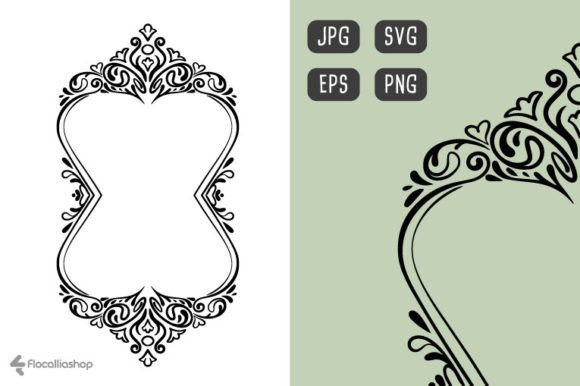
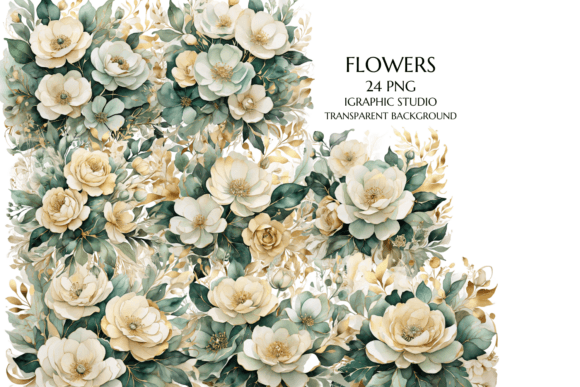
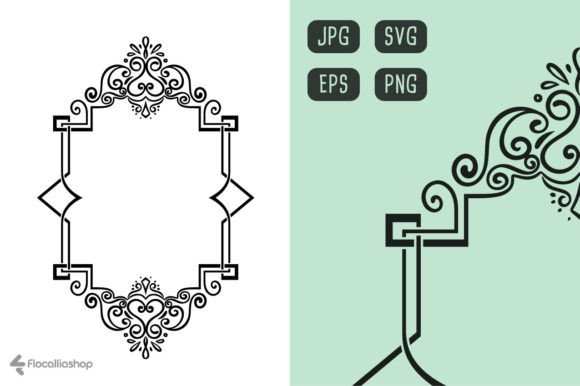
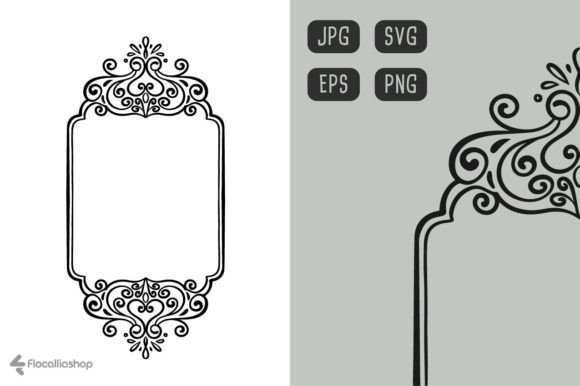
What makes this style of artwork so compelling is its blend of organic charm and digital precision. Unlike a static photograph, vector art is built from mathematical paths, not pixels. This means you can scale a delicate fern frond or a cluster of eucalyptus leaves from the size of a postage stamp to a billboard without losing a single detail. The lines remain crisp, and the colors stay consistent. This format often includes a range of assets—individual leaves, full bouquets, decorative frames, and seamless patterns—giving you a versatile toolkit. The aesthetic leans into modern botanical illustration, balancing realistic detail with a clean, graphic sensibility that works across countless mediums.
Practical Applications for Your Brand and Projects
The true value of a well-crafted asset collection lies in its application. For a small business owner crafting a brand identity, these elements are invaluable. Imagine using a subtle vine motif as a repeating pattern on packaging design, or a single perfect blossom as a favicon for a website. The consistency in style helps build a cohesive visual language that customers learn to recognize instantly.
Content creators and marketers find endless uses as well. These botanical vectors are perfect for creating engaging social media graphics—think Instagram story borders, Pinterest pin templates, or elegant Facebook cover images. They can elevate a simple quote graphic or add sophistication to a promotional sale announcement. For bloggers, incorporating these elements into featured images or pull quotes adds a layer of professional polish that enhances readability and visual appeal.
Print applications are just as rich. The assets translate beautifully to wedding invitations, event programs, and thank-you cards. They can be used to design elegant posters, business stationery like letterheads and business cards, or even merchandise such as tote bags and mugs for a boutique or Etsy shop. In editorial design, a well-placed botanical frame can draw the eye to a key section in a magazine layout or a digital PDF guide.
Integrating Botanical Elements with Typography
A common challenge is marrying these decorative elements with text. The goal is harmony, not competition. When choosing a typeface to pair with ornate floral vectors, consider contrast and balance. A clean, modern sans serif font often provides a beautiful counterpoint, allowing the detailed artwork to shine while ensuring the text remains highly readable. Alternatively, a classic serif font can complement the timeless, romantic quality of the botanicals.
Script and handwritten fonts can be stunning partners, but they require careful placement. Use them for large headlines or short accent phrases, not for body copy. Always test your font pairing at the intended size and context. Does the headline script remain legible when placed over a detailed leaf cluster? Does the body copy in a sans serif maintain clarity when set against a patterned background? Print a test or view it on multiple devices to check.
Think about hierarchy. Use the botanical art to frame, accent, or divide sections of text. A delicate border can contain a quote, while a corner flourish can lead the eye toward a call-to-action button on a website. The art should guide the viewer's journey through your content, not overwhelm it.
Making Smart Choices for Professional Results
When sourcing these assets, pay close attention to the details that matter for professional use. Review the included styles—does the collection offer single-color versions for versatility, or multi-color options for immediate impact? Are the files organized in a way that makes sense for your workflow? Compatibility with your preferred design software, whether it's Adobe Illustrator, Canva, or another platform, is essential.
Licensing is a critical, often overlooked, aspect. For any commercial project—whether you're designing a client's logo, selling products on your website, or creating marketing materials for your own business—you must ensure the license permits commercial use. Many premium font and asset marketplaces offer clear licensing tiers for personal, commercial, and extended commercial use. Taking the time to understand this upfront protects you legally and ensures you can use the work confidently in any project.
Ultimately, the right design assets are like a trusted collaborator. They save you time, elevate your work, and provide a consistent visual thread that strengthens your brand's presence. By thoughtfully integrating elegant botanical vectors, you're not just decorating a space; you're crafting an experience that feels refined, intentional, and deeply connected to the timeless beauty of the natural world.