Wedding Frame, #095: Crafting Your Perfect Visual Narrative
There is a specific kind of quiet confidence that comes with a well-composed invitation. It sets a tone before a single word is read. This is the power of visual framing, and it’s precisely what a versatile asset like Wedding Frame, #095 brings to a project. More than just a decorative border, it acts as a stage for your content, guiding the viewer's eye and establishing an immediate sense of style and intention. For designers, small business owners, and creative entrepreneurs, having a reliable, high-quality frame element in your toolkit is not a luxury—it's a fundamental component of efficient, professional design.
Understanding the Asset: Beyond a Simple Border
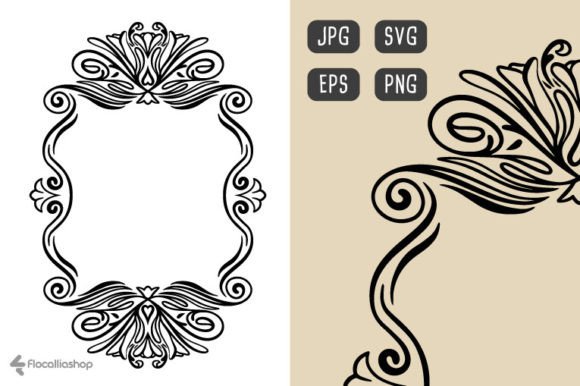
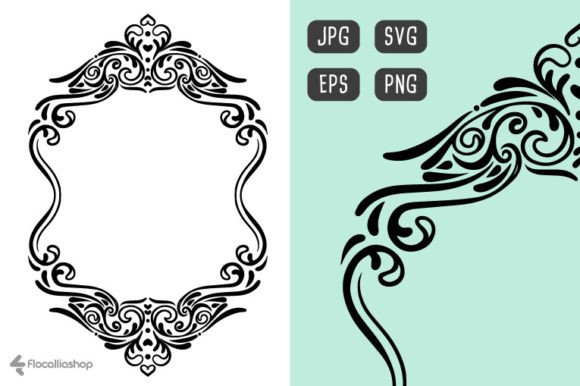
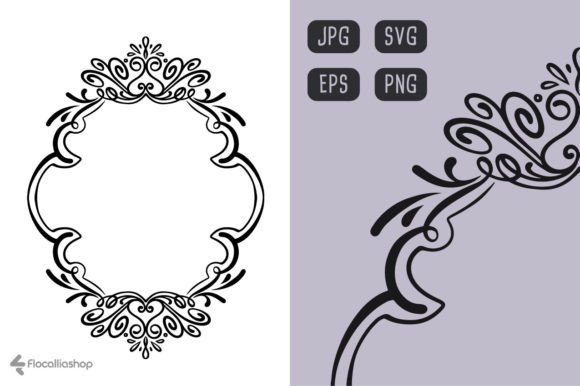
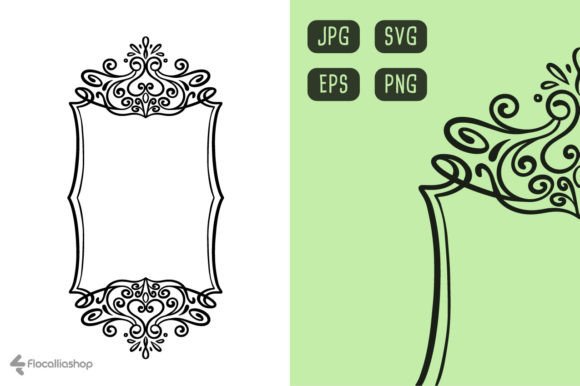
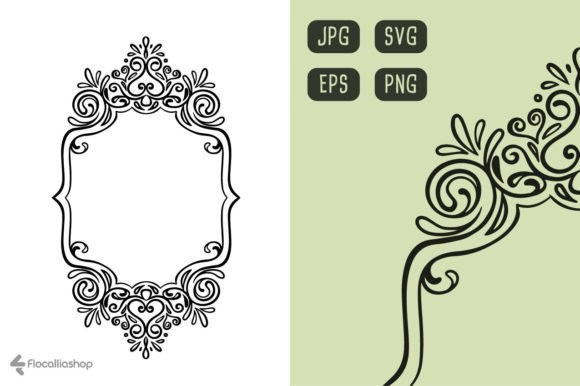
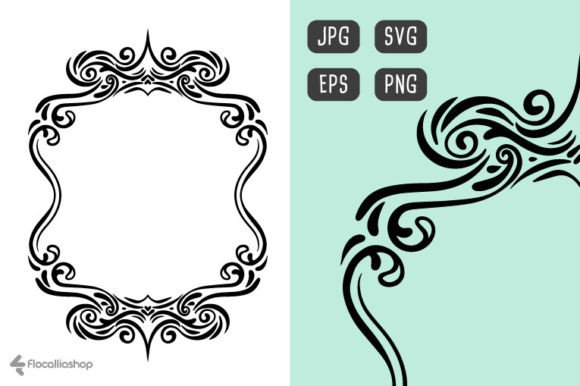
At its core, Wedding Frame, #095 is a curated design element provided in a suite of versatile file formats: SVG, PNG, JPG, and EPS. This range is critical. The SVG and EPS files are vector formats, meaning they are infinitely scalable without losing quality. You can use them on a tiny social media icon or blow them up for a large-format poster, and the lines will remain perfectly crisp. The PNG file offers a transparent background, making it ideal for layering over photographs or colored backgrounds in digital software. The JPG is a straightforward, high-resolution raster image perfect for quick mockups or print-ready files where editing isn't required.
Visually, this type of frame typically embodies a balance of elegance and structure. It might feature delicate botanical flourishes, classic laurel motifs, or clean, geometric lines that evoke a modern minimalist aesthetic. The "Wedding" in the name signals its intended graceful and celebratory mood, but its true value lies in its adaptability. The design is sophisticated enough for formal announcements yet clean enough to be repurposed for a wide array of branding and creative projects, functioning as a premium design asset that transcends its initial context.
Practical Applications for Creative Professionals and Businesses
The real test of any design asset is its utility. How does a single frame element integrate into a diverse workflow? The answer lies in its function as a visual anchor. It provides a consistent point of recognition across different mediums, which is the bedrock of strong brand identity.
- Branding and Logo Design: Use the frame to contain a brand name, monogram, or a short tagline. It can create a distinctive emblem for a boutique wedding planner, a floral studio, or a high-end stationery brand. This establishes a visual shorthand that customers begin to recognize.
- Packaging and Product Design: Apply the frame to product labels, thank you cards included in orders, or the design of a branded tissue paper. For a small business selling handmade goods, this adds a layer of perceived value and cohesion to the unboxing experience.
- Digital Presence: On social media, use the frame to highlight customer testimonials, showcase a product photo, or create a consistent template for Instagram Stories or Pinterest pins. For a website, it can elegantly frame a homepage hero image, a call-to-action, or an "About Me" section, improving visual consistency and user engagement.
- Print and Marketing Materials: The applications here are vast. Design sophisticated event invitations, but also consider menus for a restaurant, program booklets for a local theater, or flyers for a community workshop. The frame elevates the professional presentation of any printed piece.
- Merchandise and Editorial Design: Imagine the frame used on a T-shirt design for a bridal party or on a button for a celebratory event. In editorial layouts for blogs or magazines, it can beautifully contain pull quotes or author bios, adding a touch of graphic interest that aids in audience engagement.
Integrating the Frame into Your Design Workflow
Simply having the asset is the first step. Integrating it effectively requires a bit of strategy. The key is to let the frame support your content, not overpower it. A common pitfall is choosing a frame style that clashes with the typography or overall aesthetic of the project. If your brand uses a clean, modern sans serif font, a highly ornate, vintage-style frame might create visual dissonance. Conversely, a delicate script font paired with a heavy, bold frame can feel unbalanced.
Test your pairings. Before finalizing, place your chosen text inside the frame. Does the readability hold up? Is there adequate space, or does the text feel cramped? The visual characteristics of the frame—its line weight, complexity, and style—should complement the personality of your typography. A handwritten font might pair well with a frame that has organic, flowing lines, while a strong display font might be better suited to a simpler, more geometric frame that doesn't compete for attention.
Consider the context of use. For a web design element, you might use the frame sparingly to highlight a key piece of information. For a wedding invitation suite, you might use variations of the frame across the save-the-date, invitation, and RSVP card to create a cohesive font family of visual elements. This thoughtful application is what transforms a generic design asset into a powerful tool for brand recognition.
A Final Note on Licensing and Creative Freedom
When you download a design asset like Wedding Frame, #095, it is essential to understand the accompanying license. For most commercial projects—whether you're selling the final design on a T-shirt, using it in a client's logo, or incorporating it into a product you sell—you will need a license that permits commercial use. Always review the terms provided with your download. This ensures you are using the asset legally and ethically, protecting both your business and the work of the original creator.
Ultimately, a resource like this is about expanding your creative vocabulary. It’s a practical solution for adding polish, structure, and a sense of occasion to your work. Whether you are a content creator looking to beautify your blog graphics, a small business owner crafting your brand identity, or a designer seeking reliable design assets, having a versatile frame in your toolkit allows you to communicate with greater clarity and style. It’s not about following a trend, but about equipping yourself with the right tools to tell your visual story effectively.