Wedding Day Flat Bundle Design: Your Complete Toolkit
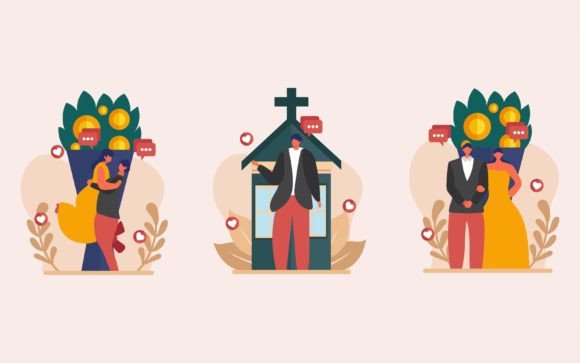
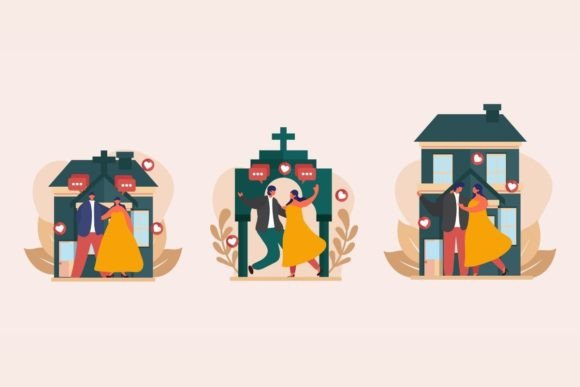
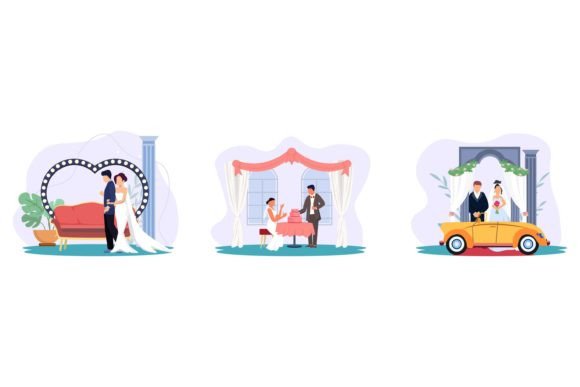
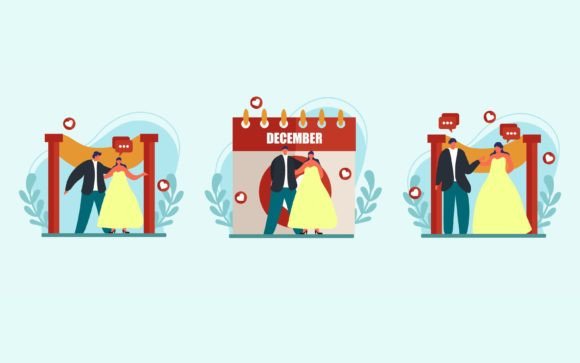
Planning the visual side of a wedding involves countless small decisions that add up to one cohesive story. From the save-the-dates to the thank-you cards, every element needs to feel like it belongs to the same celebration. That’s where a thoughtfully curated collection of design assets becomes invaluable. A Wedding Day Flat Bundle Design offers exactly that—a unified set of illustrations, icons, and decorative elements created to work together seamlessly. Instead of hunting for matching pieces from different sources, you get a library of graphics that share a consistent style, color palette, and mood. Whether you’re a designer building a client’s wedding stationery suite or a bride crafting her own DIY projects, having these resources at your fingertips saves hours of work and eliminates the guesswork of visual harmony.
What Makes This Collection Stand Out
At its core, this bundle is built around the concept of flat design—a clean, modern aesthetic that avoids shadows, gradients, and complex textures. The result is crisp, scalable artwork that looks sharp on everything from a tiny envelope seal to a large banner at the reception. Every piece in the collection is delivered as a VECTOR EPS file, which means all graphics are 100% vector. This technical detail matters more than it might sound at first. Vector files don’t lose quality when you resize them, so a floral motif that works beautifully on a business card will look just as stunning stretched across a poster. You can edit everything in Adobe Illustrator, adjusting colors, reshaping paths, and rearranging elements to match your exact vision. The included JPEG sample previews give you a quick visual reference before you dive into editing, and since all objects and colors are fully editable, you’re never locked into the original design.
The artwork lives in RGB Color Mode, which is optimized for screens—think websites, social media feeds, and digital invitations. If you’re planning to print, converting to CMYK in Illustrator takes just a few clicks. The files are well-organized, with shapes grouped logically so you’re not digging through hundreds of unnamed layers. And because everything arrives in high resolution, you can start using the assets immediately without worrying about pixelation or blurry edges.
Real-World Applications for Designers and Creators
The versatility of a wedding-themed design collection like this one extends far beyond traditional invitations. Here’s where it really shines:
- Branding and Logo Design: Wedding planners, photographers, and venue owners often need a visual identity that feels romantic yet professional. Pulling elements from this bundle—like delicate line art or elegant monogram frames—can anchor a logo or brand mark without starting from scratch.
- Packaging Design: If you sell wedding favors, candles, or artisanal gifts, the flat illustrations work beautifully on labels, boxes, and tissue paper. The consistent style ensures your product packaging looks intentional and polished.
- Social Media Graphics: Instagram posts, Pinterest pins, and Facebook event covers all benefit from a cohesive visual language. Drop these illustrations into templates for announcements, countdowns, or behind-the-scenes teasers.
- Websites and Blogs: A wedding blog or portfolio site gains personality with custom icons, dividers, and header art pulled from the same design family. It ties the entire browsing experience together.
- Print Materials: Menus, programs, place cards, table numbers—the list goes on. Having a unified set of decorative elements means every printed piece at the event feels connected.
- Posters and Signage: Welcome signs, seating charts, and directional posters all benefit from the scalability of vector graphics. Print them large without losing a single detail.
- Invitations and Stationery: This is perhaps the most obvious use, but it’s worth emphasizing. Building a full stationery suite—save-the-dates, invitations, RSVP cards, and thank-you notes—becomes dramatically simpler when every piece shares the same visual DNA.
- Merchandise and Digital Products: Entrepreneurs creating wedding-themed planners, journals, or printable wall art can use these assets to develop products that look professionally designed.
- Editorial Layouts: Magazine spreads, lookbooks, and e-books about wedding planning gain visual richness with well-placed illustrations that complement the copy.
- Marketing Assets: Email headers, ad creatives, and promotional flyers for wedding-related businesses stay on-brand when you draw from a consistent design library.
Strengthening Your Visual Identity
One of the most overlooked benefits of working with a premium font or design bundle is the impact on visual consistency. When every touchpoint—from a website banner to a printed thank-you card—uses the same stylistic language, your audience starts to recognize and trust that look. This is the foundation of brand recognition. A bride planning her wedding might not think in those terms, but a small business owner in the wedding industry absolutely should. Consistency signals professionalism, and professionalism builds confidence.
Readability also plays a role here. Flat design, by nature, avoids visual clutter. The clean lines and simple shapes ensure that decorative elements enhance rather than overwhelm the text they accompany. Whether you’re pairing these graphics with a serif font for a classic feel or a sans serif font for something more contemporary, the illustrations won’t compete for attention. They’ll support the message.
Pairing Typography with Wedding Imagery
Choosing the right typeface to accompany your flat design elements is just as important as the illustrations themselves. A script font or handwritten font can add warmth and personality to formal invitations, while a clean modern typography choice works well for minimalist or contemporary wedding themes. The key is to match the mood of the graphics with the mood of the lettering.
Here are a few practical tips for getting that pairing right:
- Start with the illustration style. If the flat bundle leans romantic and floral, a flowing script font complements it. If the designs are geometric and modern, opt for a structured sans serif.
- Limit your font choices. Two typefaces are usually enough—one for headings and one for body text. Adding a third can work for accents, but restraint keeps the design cohesive.
- Test readability at small sizes. That gorgeous calligraphy font might look stunning at 48 points but become illegible at 12 points on a business card. Always test your font pairing in the context where it will actually appear.
- Review all included styles. Many commercial fonts come with multiple weights—light, regular, bold, italic. Explore these variations before defaulting to the standard weight. A light version might suit a delicate wedding aesthetic better than a bold one.
- Check licensing terms. If you’re using these assets for client work or selling products that incorporate them, make sure the license covers commercial use. This is a detail that saves headaches later.
Making the Most of Your Design Assets
The real value of a resource like the Wedding Day Flat Bundle Design lies in how you adapt it to your specific needs. Don’t treat it as a finished product—treat it as a starting point. Recolor the illustrations to match a client’s wedding palette. Combine elements from different files within the bundle to create something entirely new. Scale a single icon down to use as a favicon or blow it up as a hero image. The flexibility of vector graphics means you’re never stuck with the original arrangement.
For content creators and marketers, this kind of asset library becomes a time-saver that compounds. Instead of commissioning custom illustrations for every project, you can remix and recombine existing elements to produce fresh visuals quickly. For hobbyists and crafters, it’s an affordable way to achieve a professional look without advanced design skills. And for design professionals, it’s a reliable foundation that speeds up the creative process without sacrificing quality.
Ultimately, the goal is to create something that feels personal and intentional. A wedding is one of the most meaningful events in someone’s life, and the visual materials surrounding it should reflect that significance. With the right design assets and a clear creative direction, you can build a visual world that captures the emotion of the occasion—whether you’re designing for a client, a customer, or yourself.