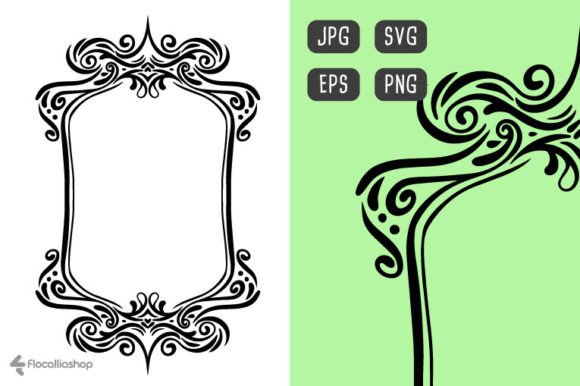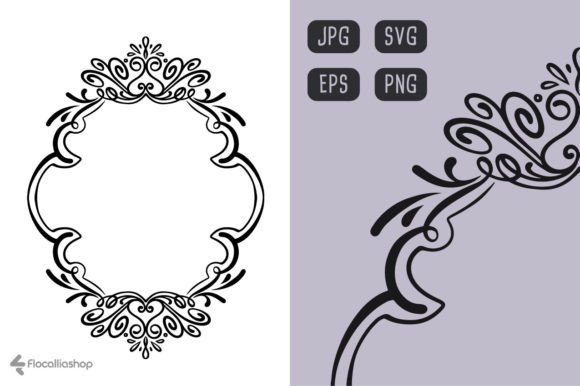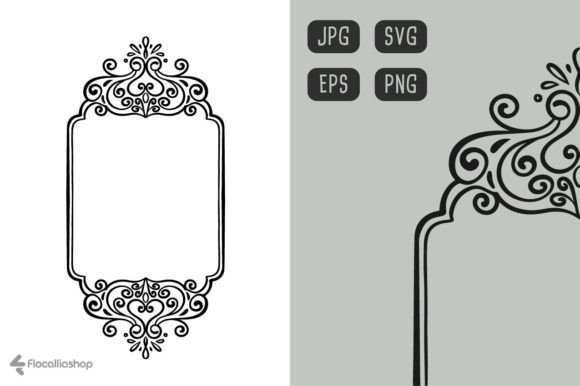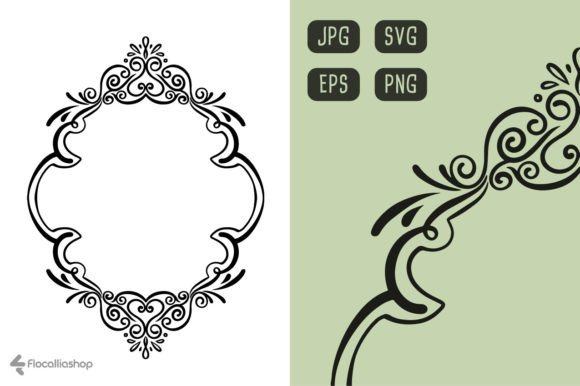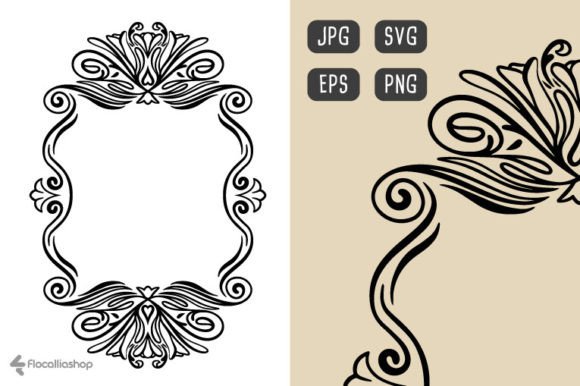
Simple Frame Vector Wedding: Blending Floral Charm with Modern Design
There’s a specific kind of visual tension that happens when you pair raw, organic nature with rigid, geometric structure. It creates a balance that feels both grounded and artistic. If you’ve been scrolling through design trends lately, you’ve likely noticed a resurgence in botanical elements, but not the chaotic, overgrown kind. Instead, designers are favoring controlled nature—vines that form perfect circles, petals that align with grid lines, and leaves that frame text with architectural precision. This is the sweet spot where creativity meets functionality, and it’s exactly what drives the aesthetic behind the Simple Frame Vector Wedding style.
The Allure of the Geometric Garden
For designers and small business owners, particularly those in the wedding, lifestyle, or artisanal sectors, finding a visual language that feels fresh yet timeless is a constant struggle. You want something that looks expensive and curated, but you also need it to be versatile enough to work on a business card and a billboard. The "Simple Frame Vector" approach solves this by treating floral elements not just as decoration, but as structural components.
Imagine a logo where the typography is anchored by a delicate, hand-drawn wreath. It feels personal, right? Now, imagine that wreath is constructed using vector paths—clean, scalable, and mathematically precise. Suddenly, that "personal" touch feels "professional." This style bridges the gap between the warmth of a handwritten script font and the stability of a geometric sans-serif. It’s a visual handshake between the vintage and the modern.
For content creators and bloggers, this aesthetic is gold. It allows you to create a cohesive brand identity without looking like you just pasted a stock photo onto your header. When you use assets that mimic this style—think gold line art on a matte background or subtle floral corners on a photo frame—you are signaling to your audience that you care about the details. In a crowded digital landscape, that attention to detail is what stops the scroll.
Practical Applications: From Screen to Print
Let’s talk about utility. A design asset is only as good as its versatility. The beauty of the Simple Frame Vector Wedding style is that it translates beautifully across different mediums. It’s not just for wedding invitations, although it certainly shines there.
Branding and Logo Design: If you are a boutique owner, a photographer, or a consultant, your logo needs to tell a story instantly. Using a premium font that features these characteristics—perhaps a serif font with high contrast paired with a delicate floral illustration—can elevate your brand perception immediately. It says, "We are established, we are detail-oriented, and we value beauty." A logo built on these principles works on invoices, packaging tape, and social media profile pictures alike.
Packaging and Merchandise: Think about the unboxing experience. Consumers love presentation. A simple black box with a gold foil stamp of a floral vector frame around the customer’s name creates a luxury experience that justifies a higher price point. Whether you are selling artisanal soaps, baked goods, or handmade jewelry, this visual style adds perceived value. It turns a product into a keepsake.
Digital Marketing and Social Media: On platforms like Instagram or Pinterest, visual consistency is key to growth. You can use floral vector frames to create recurring motifs in your content. For example, using a specific vintage floral corner for all your "Quote of the Day" posts creates a recognizable pattern in your grid. It helps with brand recognition; your followers will know it’s your content before they even read the caption. This is where modern typography meets strategic marketing.
Mastering the Art of Pairing and Hierarchy
Having a beautiful asset is one thing; knowing how to use it is another. The challenge with ornate or "busy" styles like floral or batik patterns is that they can easily overpower your message if not handled with care. The keyword here is "Simple." You want the frame to support the text, not fight with it.
Contrast is Your Best Friend: If you are using a highly decorative, vintage-style frame, your main text needs to be clean and legible. This is where the debate of serif vs. sans-serif comes in. A heavy, vintage serif font inside a delicate floral frame might look too cluttered. Instead, try a clean, modern sans-serif or a very light, spaced-out script font. The contrast between the ornate frame and the clean text creates a focal point that draws the eye directly to your message.
Color Psychology: The "Simple Frame Vector" look often relies on a limited color palette to maintain elegance. Monochromatic schemes (black on white, gold on navy) are classic and safe. However, don't be afraid to introduce a single accent color. If you are designing for a wedding client, perhaps the frame matches the bridesmaids' dresses or the floral arrangements. This subtle coordination shows a high level of professional presentation and attention to the client's specific brand.
Spacing and Margins: When working with frames, negative space is your breathing room. Don't crowd the frame with text. Give the artwork room to breathe. If you are using a vintage floral frame for an editorial layout, ensure the margins between the text block and the frame edges are generous. This creates a relaxed, luxurious feeling, whereas tight margins can feel anxious and cramped.
Licensing and Asset Management for Professionals
For those of you running a business or freelancing, the legal side of design is just as important as the aesthetic side. When you download a font or a vector set, you need to be crystal clear on the licensing. A "free for personal use" license won't cut it if you're putting a design on a t-shirt you plan to sell or a logo for a paying client.
Always look for assets that offer a commercial license. This protects you and your client. It’s an investment in your professionalism. Furthermore, when you purchase premium fonts or high-quality vectors, you are usually getting better file formats—.OTF, .TTF, and .AI or .EPS files. These are crucial for scalability. A rasterized image (like a JPEG) will pixelate if you try to blow it up for a poster. A vector file, however, remains crisp and clear whether it’s on a pen or a billboard.
Keep your design assets organized. Create a library of your preferred styles. If you love the "Simple Frame Vector Wedding" aesthetic, save a collection of fonts, flourishes, and color swatches that fit that vibe. This saves you hours of time when starting a new project and ensures that your output remains consistent, which is the hallmark of a strong creative professional.
Bringing It All Together
Design trends come and go, but the combination of nature and geometry is enduring. The "Simple Frame Vector Wedding" style isn't just a fleeting trend; it’s a versatile design philosophy. It allows you to blend the warmth of hand-drawn illustration with the precision of digital design. Whether you are a hobbyist making invitations for a friend, a blogger designing a media kit, or a brand strategist overhauling a client's identity, this approach offers a sophisticated solution.
Focus on the balance. Use the frames to add personality, but use clean typography to ensure your message is heard. Pay attention to the details—kerning, licensing, and color theory. When you treat your design assets with respect and use them thoughtfully, the result is always a professional, engaging, and visually stunning final product that resonates with your audience.