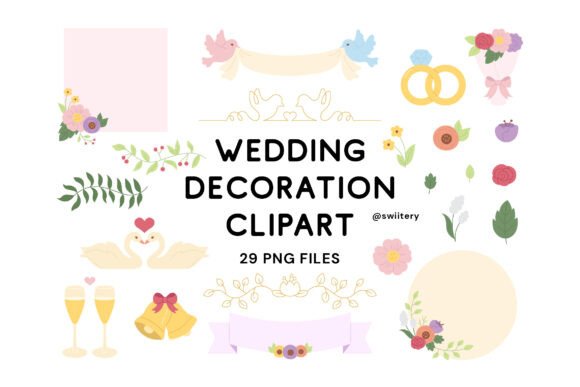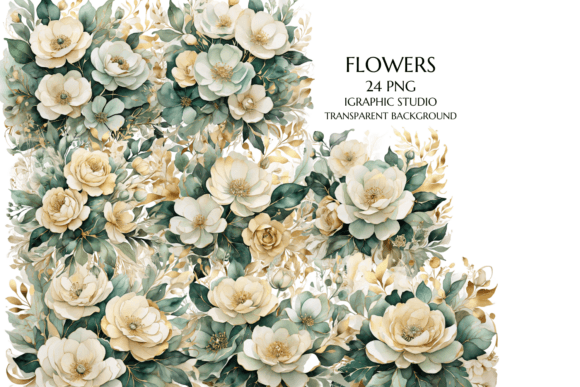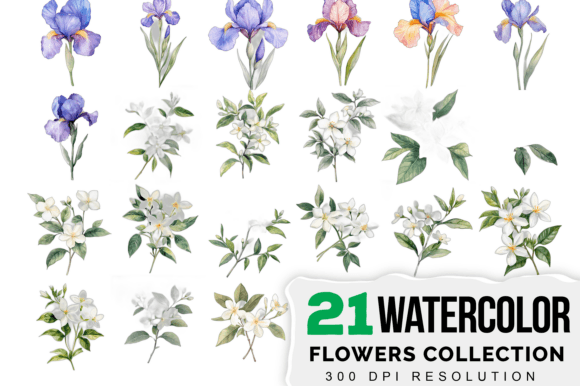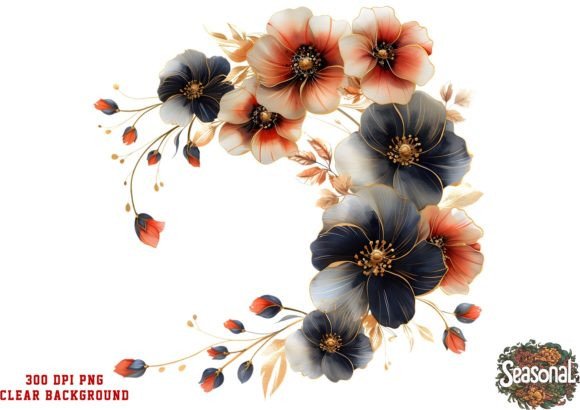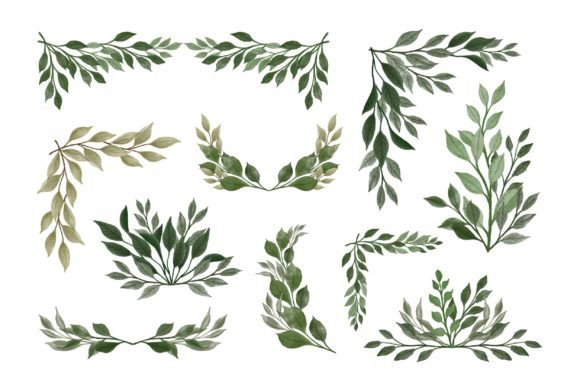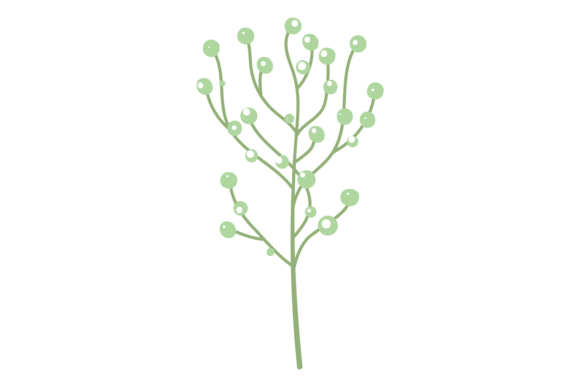
Green Branch: Floral Wedding Decoration Elements for Designers
There’s a reason why so many wedding mood boards feel instantly calming and elegant — it often comes down to one thing: natural greenery. A single green branch, delicately illustrated or photographed, carries an organic softness that balances formal typography and structured layouts. Whether you’re designing a wedding invitation suite, building a brand identity for a florist, or creating social media graphics for an event planner, that simple botanical element does heavy lifting. It signals freshness, romance, and intention without saying a word.
What makes a floral wedding decoration element like an isolated green branch so versatile isn’t just its beauty — it’s its adaptability. On a white background, it becomes a clean, ready-to-use asset that fits seamlessly into countless projects. You can scale it, recolor it, layer it, or let it stand alone. For designers juggling multiple clients or creators building their own brand, having a high-quality botanical graphic on hand saves hours and elevates everything it touches.
Why Botanical Graphics Work Across So Many Projects
Greenery has a universal appeal. It doesn’t compete with text — it frames it. A single branch placed beside a headline or wrapping around a logo creates visual breathing room. It draws the eye without overwhelming the message. That balance is exactly what makes floral wedding decoration elements so useful beyond just wedding-specific work.
Consider a small business selling handmade candles. Their packaging might use a simple sans serif font for the product name, but adding a delicate green branch illustration beside it instantly communicates natural ingredients, artisan quality, and a connection to nature. The same graphic could appear on their website header, their Instagram story templates, and even their thank-you cards — creating visual consistency without needing a full rebrand.
Or think about a blogger covering sustainable living. A green branch element used as a recurring motif in their sidebar, post headers, and Pinterest pins builds a subtle but recognizable visual identity. Readers start associating that botanical touch with the blog’s voice and values. That’s brand recognition built through smart, restrained design choices.
Practical Applications for Designers and Creators
The beauty of an isolated botanical element on a white background is its plug-and-play nature. You don’t need to spend time removing backgrounds or adjusting contrast. It’s ready for immediate use across a wide range of formats:
- Wedding invitations and stationery suites — Place the branch as a border accent, a corner detail, or a divider between text blocks for an elegant, cohesive look.
- Logo design — Incorporate the branch as a secondary mark or a framing device around a monogram, especially for brands in wellness, beauty, or lifestyle spaces.
- Packaging design — Use it on labels, box sleeves, or tissue paper prints to add a premium, handcrafted feel without cluttering the layout.
- Social media graphics — Add it to quote cards, announcement posts, or story backgrounds to create a polished, on-brand aesthetic that stands out in a crowded feed.
- Website and blog design — Feature it as a decorative element in headers, footers, or alongside featured images to reinforce a natural, sophisticated tone.
- Print materials — From business cards to brochures to posters, a well-placed botanical element adds visual interest without distracting from the core message.
- Editorial layouts — Magazine spreads, lookbooks, and digital publications benefit from the organic texture greenery brings to page compositions.
- Merchandise and product design — Tote bags, mugs, notebooks, and apparel gain a refined, artisan quality with subtle floral accents.
- Digital products — Planners, templates, and downloadable prints feel more polished and sell-ready with thoughtful botanical touches.
The key is restraint. One or two well-placed branches often do more than a full floral arrangement. They give the design room to breathe while still delivering that natural, romantic energy people respond to.
Pairing Botanical Elements with Typography
A green branch illustration is only as effective as the typography it accompanies. The wrong font pairing can make the design feel disjointed or overly busy. Here’s how to get it right:
Match the mood. If the branch has soft, flowing lines, pair it with a script or handwritten font for a romantic, organic feel. If the illustration is more structured and detailed, a clean serif or modern sans serif keeps things balanced. The goal is harmony — both elements should feel like they belong in the same visual world.
Consider hierarchy. Let the branch play a supporting role. It should enhance the text, not compete with it. Use it to frame a headline, accent a call-to-action, or fill negative space — not to overshadow the main message.
Test at different sizes. A botanical element that looks beautiful in a large poster layout might lose its detail when scaled down for a business card. Always check how the graphic reads at the actual size it will be used. Crisp edges and clear shapes matter more than intricate detail at smaller scales.
Think about color. While the branch may come in its natural green tones, don’t be afraid to recolor it to match a brand palette. Muted sage works for earthy, bohemian brands. Deep emerald suits luxury and formal applications. A monochrome version in black or charcoal adds sophistication to minimalist designs.
Choosing the Right File Format for Your Workflow
When working with design assets like floral wedding decoration elements, file format matters more than most people realize. An EPS vector file scales infinitely without losing quality — ideal for large-format printing, logo work, and professional design software like Adobe Illustrator. A high-resolution JPG works well for quick social media posts, blog graphics, and digital layouts where editing flexibility isn’t as critical.
If you’re a designer who regularly works across print and digital, having both formats available ensures you’re covered for any project. A vector version lets you adapt the illustration to any size or color scheme, while a raster version is ready for fast, straightforward use in tools like Canva or Photoshop.
For small business owners or content creators who aren’t working in professional design software, a clean JPG on a white background is often all you need. It drops into templates, presentations, and social media tools without any extra steps. Just place it, resize it, and you’re done.
Building a Cohesive Visual Identity with Nature-Inspired Elements
One of the most effective ways to build brand recognition is through consistent visual language. When a botanical element like a green branch appears across your website, social media, packaging, and print materials, it becomes a subtle signature — something your audience starts to associate with your brand before they even read the text.
This approach works especially well for businesses in wedding planning, floral design, wellness, beauty, hospitality, and lifestyle spaces. But it’s not limited to those industries. Any brand that wants to communicate warmth, authenticity, or a connection to nature can benefit from incorporating organic design elements into their visual identity.
The trick is to use the same element — or a family of related elements — consistently. Don’t mix five different illustration styles. Pick one botanical graphic that fits your brand’s personality and let it become part of your visual toolkit. Over time, that consistency builds trust and recognition in ways that flashy, trend-driven design often can’t.
Whether you’re a freelance designer building assets for a client, an entrepreneur crafting your own brand, or a hobbyist creating beautiful stationery for personal use, a well-chosen floral decoration element is one of the most versatile tools you can have in your design library. It’s simple, timeless, and endlessly adaptable — exactly the kind of asset that earns its place in every project folder.