Elegant Wedding Cake Line Art for Modern Branding
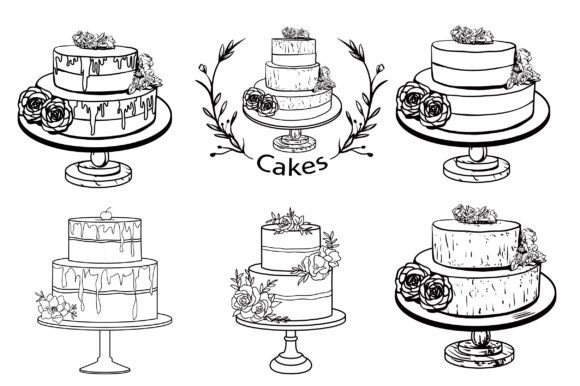
There’s a certain magic in the simple, clean outline of a wedding cake. It instantly evokes celebration, sweetness, and a touch of elegance without a single word. For designers and creators, this recognizable silhouette is more than just a drawing—it’s a versatile visual shorthand. High-quality line vector art of a wedding cake shape offers a foundational asset that can be adapted across countless projects, from a boutique bakery’s logo to the delicate details of a wedding invitation suite. Understanding how to leverage this type of illustration can streamline your workflow and elevate the professionalism of your final output.
The Visual Appeal of Clean Line Art
What makes a line vector illustration of a wedding cake so effective? It comes down to clarity and adaptability. Unlike a detailed photograph or a complex illustration, a clean line drawing strips the subject down to its essential, recognizable form. This minimalist approach ensures the image remains legible at any size, from a tiny favicon on a browser tab to a large-scale banner at a trade show. The absence of solid fills or gradients means it integrates seamlessly with any color palette, allowing it to support your brand’s existing visual identity rather than clash with it. This simplicity is its strength, making it a timeless and professional design element.
Practical Applications Across Creative Projects
The true value of a well-crafted vector file lies in its utility. With files available in Ai, EPS, PDF, and PNG formats, you have the flexibility to implement this artwork in virtually any medium. Consider the breadth of possibilities:
- Brand Identity & Logo Design: The cake outline can serve as the central icon for a bakery, event planner, or catering service. Its clean lines ensure it scales perfectly for business cards, letterheads, and signage.
- Packaging & Labels: For artisan bakers or confectionery brands, incorporating this line art into product labels, box designs, or sticker seals adds a professional and thematic touch that communicates quality.
- Digital Presence: Use it to create cohesive social media graphics, website icons, blog post headers, or email newsletter banners. It’s perfect for announcing promotions, sharing recipes, or highlighting featured products.
- Print Materials: From wedding invitations and save-the-dates to menu cards and table numbers, the illustration brings a consistent, elegant aesthetic to all printed collateral for an event.
- Marketing & Merchandise: Think beyond the obvious. This vector art can be adapted for poster designs, promotional flyers, tote bags, or even as a subtle watermark on editorial layouts in magazines or blogs.
Enhancing Brand Consistency and Recognition
One of the most significant challenges in building a brand is maintaining visual consistency across every touchpoint. A dedicated line art asset, like a wedding cake vector, becomes a core part of your visual toolkit. When the same clean, elegant outline appears on your website, your Instagram stories, your product packaging, and your email signature, it creates a cohesive experience for your audience. This repetition is fundamental to brand recognition. Over time, customers begin to associate that specific shape with your business’s promise of quality and style. It’s a subtle yet powerful way to build a memorable brand identity that feels professional and trustworthy.
Choosing and Pairing for Maximum Impact
While the line art itself is versatile, pairing it with the right typography is what truly completes a design. The goal is harmony, not competition. If your wedding cake illustration has a very delicate, fine line, pairing it with a bold, heavy display font might overwhelm it. Instead, consider these practical approaches:
- Match the Mood: A graceful script font or a elegant serif font often complements the celebratory theme of a wedding cake. For a more modern, minimalist brand, a clean sans serif font can create a sophisticated contrast.
- Consider Hierarchy: Use the line art as an accent or a secondary element. Your primary typeface should still dominate for readability, especially in body text. The illustration can support headlines or act as a decorative bullet point.
- Test for Readability: Always test your font pairings in context. Place the line art next to your chosen text in a mock-up. Does it look balanced? Is the text still easy to read at a glance? This simple step prevents costly revisions later.
- Leverage File Formats: Use the vector files (Ai, EPS) for any project requiring scaling or color changes—this is essential for logos and print work. Use the high-resolution PNG for digital projects where a transparent background is needed, like overlaying the image on photos.
Ultimately, incorporating a premium design asset like this into your library is about efficiency and quality. It provides a professional starting point that you can customize to fit a wide range of creative briefs, ensuring your work always looks polished and intentional. Whether you’re a small business owner crafting your first brand identity or a seasoned designer building out a client’s campaign, having reliable, versatile assets saves time and elevates the final product. It’s a practical investment in the visual language of your projects.